
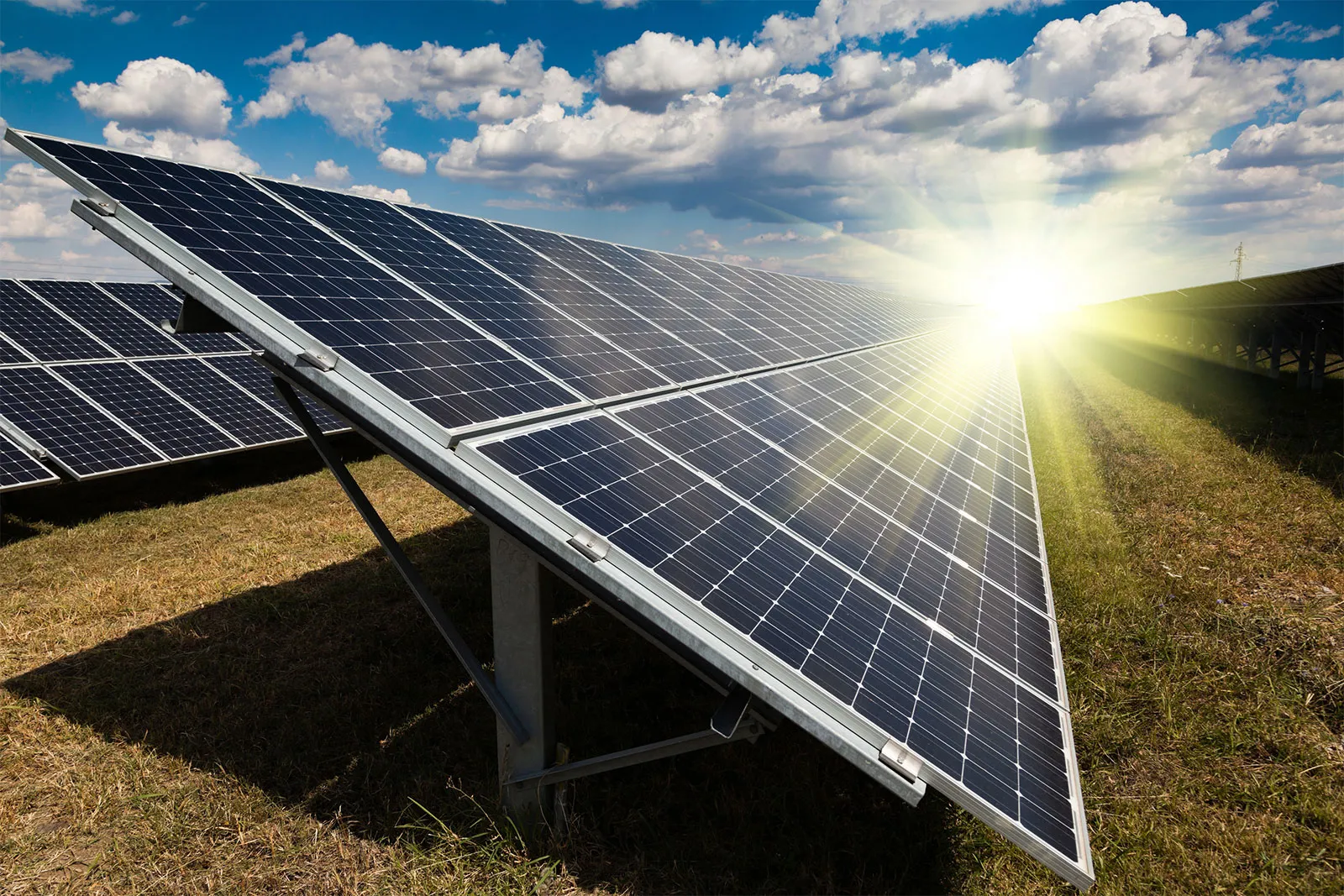
- Integrating solar power generation across all manufacturing plants significantly reduces reliance on non-renewable energy sources. This transition not only lowers greenhouse gas emissions but also enhances energy security and aligns with global sustainability goals.
- Adopting Liquefied Petroleum Gas (LPG) as a fuel source in baking ovens can significantly reduce air pollution by lowering carbon dioxide emissions. Studies have shown that LPG emits 15% less CO than kerosene, 29% less than gas oil, and 25% less than heavy fuel oil.
- Implementing advanced welding technologies in drum manufacturing significantly reduces energy consumption and minimizes process rejection rates. Techniques such as inverter-based welding systems and automated welding processes contribute to these improvements.
- Implementing flexible stagger blanking in manufacturing significantly reduces CO2 emissions by optimizing material usage and minimizing scrap. This approach not only conserves resources but also lowers production costs.
- Implementing Zero Liquid Discharge (ZLD) processes across manufacturing plants minimizes water wastage by treating and recycling all wastewater, ensuring no discharge. This approach not only conserves water but also complies with environmental regulations.